Craniosacral therapy is a very gentle hands-on body therapy that facilitates an easier and freer mode of functioning throughout the body, enhancing vitality, well-being and the body's natural ability to recover and resource.
Stresses, strains, tensions and traumas which have been stored in the body can impact on the Craniosacral system and restrict the body’s healthy functioning, manifesting in physical or emotional complaints such as back pain, migraine, anxiety or depression.
These restrictions can be the result of any number of things in today's demanding world; such as day to day stresses, chronic ill-health or unhelpful mental states, shock or illness, childhood trauma, birth trauma, injury, major life transitions or many more.
Craniosacral Therapists work with the whole person to restore a sense of balance and ease in the body/mind. It is often experienced as a deeply relaxing therapy. As tensions are released through gentle hands-on engagement the bound energy used by the body to hold these contractions may be released resulting in an increase in the client’s general energy level.
Some ways in which people have described their experience of having Craniosacral Therapy are: "Deeply relaxing", "Reconnecting to myself and my feelings", "I feel more like a whole person again", "So peaceful", "I feel like all of me has been listened to", "A deep feeling of stillness".
Craniosacral Therapy is extremely gentle and non invasive. This makes it suitable for people of all ages and conditions, and can be particularly beneficial for babies and the elderly and for fragile or acutely painful conditions. Craniosacral Therapy works with the whole person rather than just specific conditions.
People may come for Craniosacral Therapy for support with acute physical problems, such as headaches or backaches, or for recovery from injuries.
They may also come for more long standing problems both physical and emotional, or for ongoing support as part of helping to meet life's challenges.
Here are some of the areas in which I have found Craniosacral Therapy to be very effective:
Allergies, anxiety, arthritis, asthma, back pain, birth trauma, bone/joint disorders, breastfeeding difficulties,childbirth support, chronic fatigue, colic, depression, digestive problems, drug withdrawal, emotional problems, exhaustion, frozen shoulder, headaches & migraines, hormone imbalances, hyperactivity, insomnia, muscular aches and sprains, sciatica, stress-related conditions, menstrual pain, pregnancy support, post natal support for mother and child, sleep disorders, a general feeling of "not quite right", a sluggish metabolism or slow recovery rate following an operation or trauma, support during major life transitions, and many other conditions.
This list is not exhaustive, and I am always happy to talk with you about your individual needs and how I can help.
After a session it can be beneficial to drink a little extra water and to take things easy as much as possible, to support the body in it's adjusting period. Occasionally after a session there is a short adjustment period as part of the healing process, during this time it can feel a bit like things have become worse, or symptoms may become more obvious, this is not uncommon and is a natural part of the body adjusting and integrating any changes that it has been ready to make. This phase, if it occurs, does pass as the body finds it's balance.
Craniosacral Therapy works very effectively alongside medical attention rather than instead of it.
The gentle and non-invasive nature of Craniosacral Therapy makes it an ideal support for pregnant and labouring mothers, babies and children.
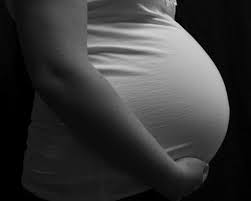
Mums and newborns: Pregnancy and childbirth are possibly the most challenging physical transformations that a woman's body will undertake. Craniosacral Therapy can support the mother's whole body, mind and spirit as she moves through her journey towards motherhood. It can bring great relaxation and release of restrictions in the pelvis and uterus, helping to ease and reduce ligament pain and so helping to support an optimum birthing experience.
During pregnancy and labour Craniosacral Therapy can assist the release of tension from the mother's lower back and hips, and can be a wonderful way to assist the baby in the womb both generally and also in terms of positive fetal positioning.
During the postpartum period, Craniosacral Therapy can support musculoskeletal reintegration, emotional balance and pelvic health and help to alleviate the discomforts of newborn care and mothering. The mother can be treated while holding the baby or while the baby lies on the mother’s belly; the baby also receives treatment this way.
Babies and children: Babies and children of all ages can respond very well to Craniosacral Therapy. Sessions for babies and children can happen on a therapeutic couch, while sitting in a chair or on the floor, while in the parent's arms or while they are asleep. I am flexible and enjoy finding out what works best for each person.
Newborns can benefit immensely from Craniosacral Therapy for although babies bodies are geared up for birth, it is still a time of intense pressure on their cranium and body as they travel from the womb to the world outside.
Craniosacral Birthing Partner: I offer Craniosacral Therapy as a support during pregnancy, labour and childbirth. Feel free to read some testimonials from mothers whom I have had the pleasure of working with in this way. You will find these in the testimonial section of the Home Page.
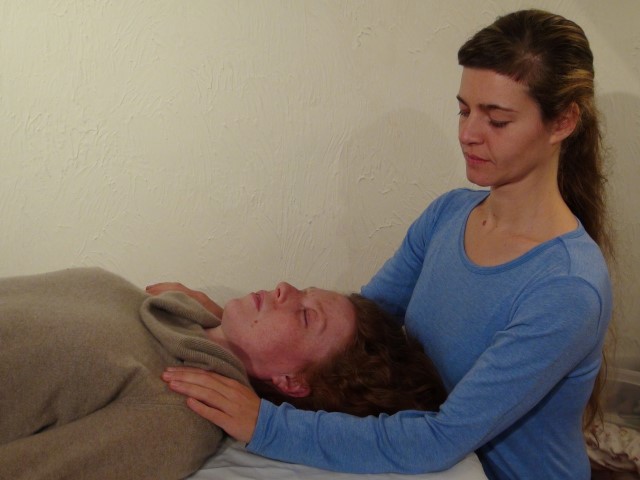
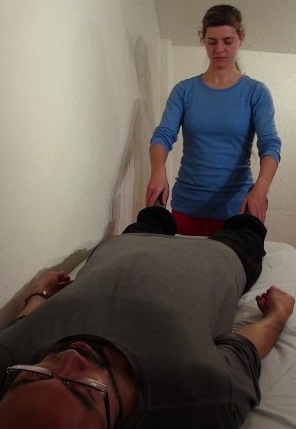
Sessions take place with the client fully clothed, resting in a lying down position on a therapeutic table.
They last for 50 to 60 minutes for adults and less than this for babies and children.
My hands are placed gently on and under parts of your body throughout the session with very gentle pressure being applied at times. There may be times when I ask you to lift your pelvis a little and then rest it back down to lye on my hand, this is to allow me to make contact with your sacrum. your sacrum rests at the base of your spine down the back of your pelvis.
Therapeutic positions can vary depending on your individual needs, for example pregnancy, limited movement and so on, together we can find positions that work best for you.
After a session it can be beneficial to drink a little extra water and to take things easy as much as possible, to support the body in it's adjusting period. Occasionally after a session there is a short adjustment period as part of the healing process, during this time it can feel a bit like things have become worse, or symptoms may become more obvious, this is not uncommon and is a natural part of the body adjusting and integrating any changes that it has been ready to make. This phase, if it occurs, does pass as the body finds it's balance.